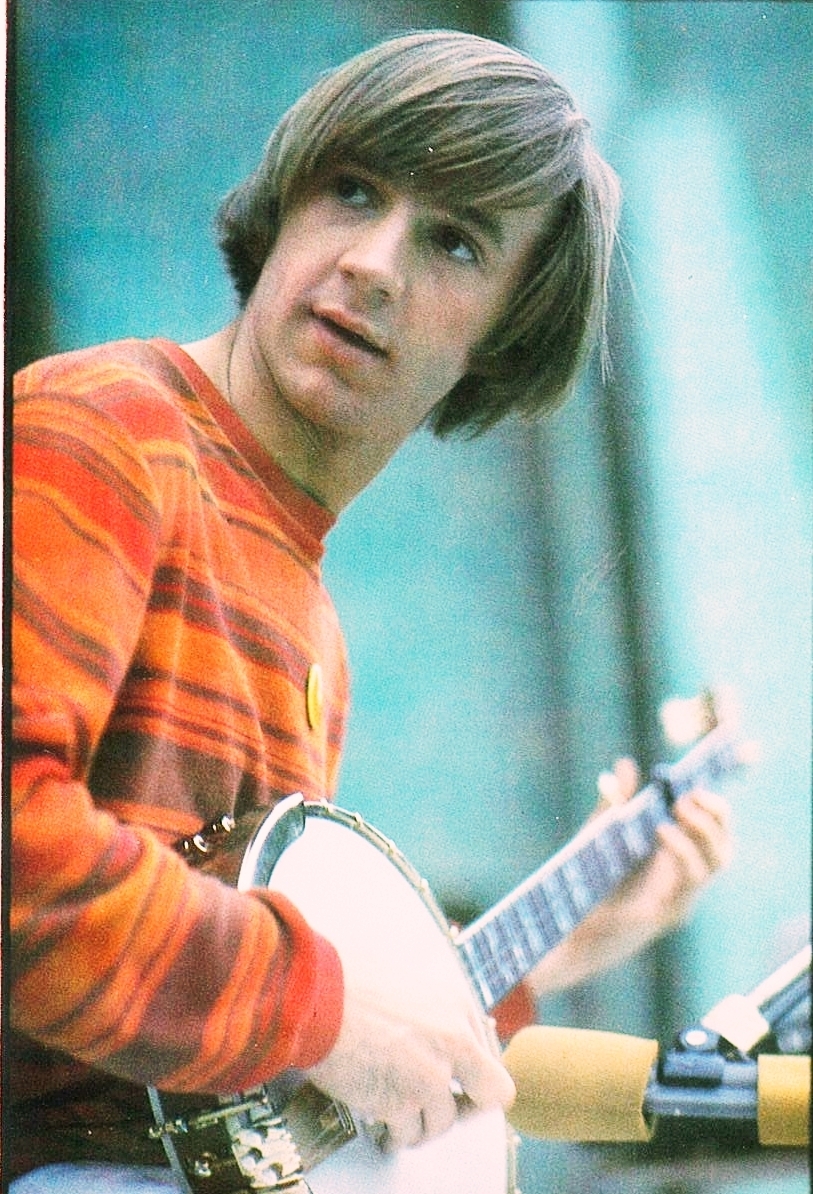
Peter Halsten Thorkelson (Tork), February 13, 1942 – February 21, 2019
I always said the Monkees were a better band than they should’ve been. Rolling Stone has a brief obit here.
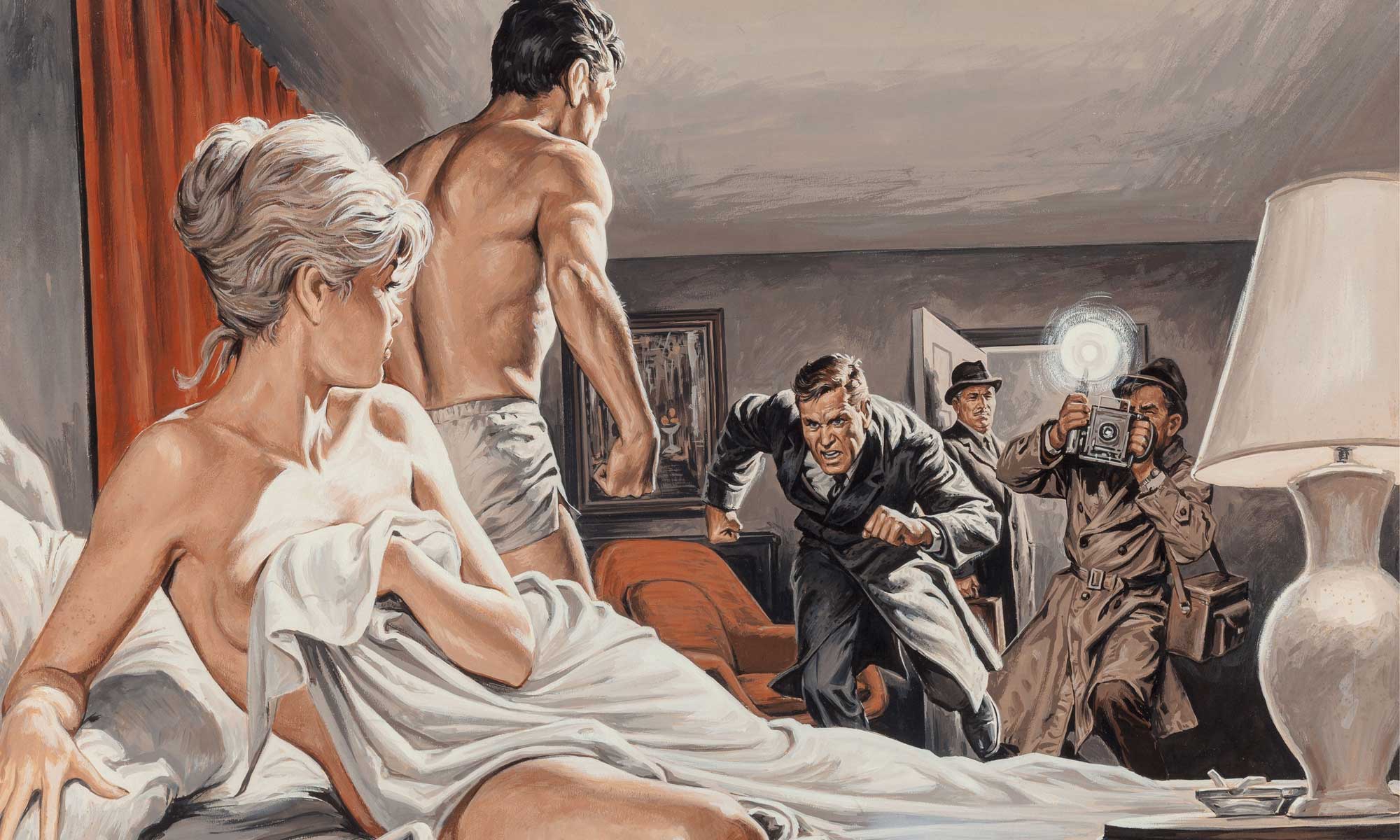
Tales of True Adventure for Rugged Men Not Unlike Yourself
Peter Halsten Thorkelson (Tork), February 13, 1942 – February 21, 2019
I always said the Monkees were a better band than they should’ve been. Rolling Stone has a brief obit here.
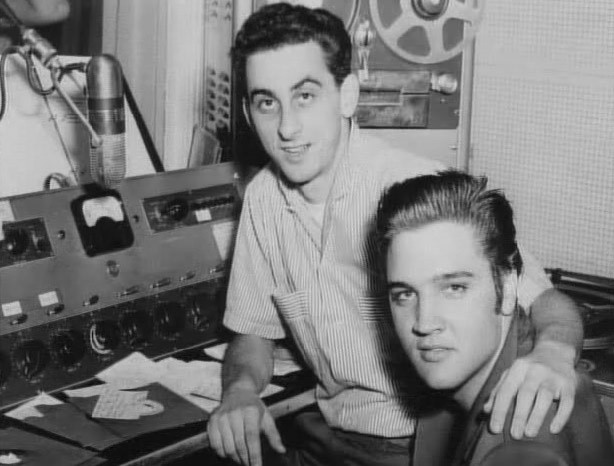
George “The Geeker In Your Speaker” Klein – disc jockey, radio host, and li’l buddy to E, aged 83 years.
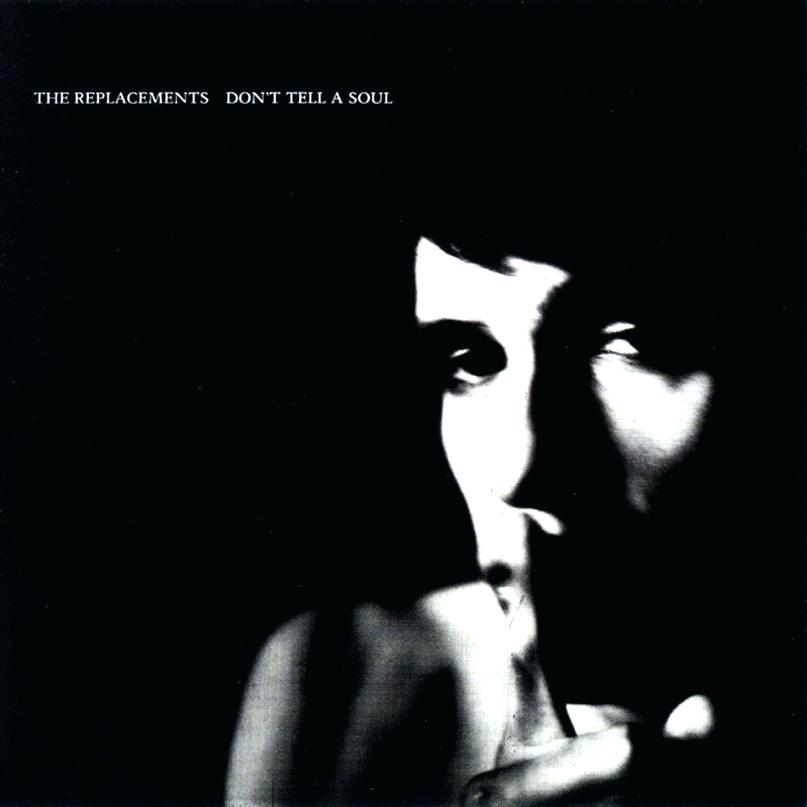
Released February 1, 1989. This makes me feel older than turning 50. To put it in perspective, this post is the equivalent of the 20-year-old me in 1989 talking about an album that came out in 1959.
Wiki-wiki-wikipedia says …
Don’t Tell a Soul marked the debut of Bob “Slim” Dunlap, who replaced founding guitarist Bob Stinson. The album was recorded at Cherokee Studios in Los Angeles and produced by Matt Wallace and the band. It was mixed by Chris Lord-Alge, who decided to give the record “a three-dimensional, radio-ready sound”. However, singer and guitarist Paul Westerberg was not satisfied with the new direction, commenting: “I thought the little things I’d cut in my basement were closer to what I wanted.”
To celebrate, let’s all take a moment and watch one of my favorite rock ‘n’ roll moments.
As explained by a lesser blog …
Before the show, they were told they needed to change the line, “We’re feeling good from the pills we took.” Well, fittingly, Westerberg did no such thing, and the censors were obviously ready for it, as the tape goes silent during that section of the song. What the censors at ABC didn’t anticipate was this: Near the conclusion of “Talent Show” the lyrics address the time when the band hits the stage and there’s no retreating: “It’s too late to turn back, here we go” is repeated twice on the album version, but here Westerberg has changed the line to “It’s too late to take pills, here we go”—ha! The censors missed it and they’ve pissed everyone off again! To add insult, the line is sung three times.
This should be inneresting:
Peter Jackson has signed on to direct a second archive project: a film edited from the full 55 hours of footage of the Beatles’ Let It Be recording sessions.
Jackson will somehow produce a 65 hr documentary. Apparently the original version is getting a scrub and re-release to coincide.
Simonon seems like a good egg.
After Mark E Smith, Goldie, Liam Gallagher and John Lydon, Paul Simonon of The Clash joins host John Doran to be inducted as a British Master.
Originally known as the bass player in The Clash, a lifelong artist and style obsessive, Paul was one of the key architects of the aesthetics of punk. His obsession with dub and reggae helped broaden the sound of The Clash gloriously. We spoke to him in Damon Albarn’s West London Studio, where they were rehearsing for their upcoming tour as one half of The Good, The Bad & The Queen.
How long can you take it?
All 70 tracks! It’s the full compilation of absolutely terrible, yet hilarious stage banter from Paul Stanley of KISS, who by the way, is absolutely, positively not a repressed gay man.
EDIT: I made it 11 minutes and 17 seconds.
A few years ago, I was surprised to learn the true origins of “Rock the Casbah,” the only Clash single to make the top 10 in the Billboard Hot 100.
“Rock the Casbah” was musically written by the band’s drummer Topper Headon, based on a piano part that he had been toying with. Finding himself in the studio without his three bandmates, Headon progressively taped the drum, piano and bass parts, recording the bulk of the song’s musical instrumentation himself.
This origin makes “Rock the Casbah” different from the majority of Clash songs, which tended to originate with music written by the Strummer–Jones songwriting partnership. Upon entering the studio to hear Headon’s recording, the other Clash members were impressed with his creation, stating that they felt the musical track was essentially complete. From this point, relatively minor overdubs were added, such as guitars and percussion.
However, Joe Strummer was not impressed by the page of suggested lyrics that Headon gave him. According to Clash guitar technician Digby Cleaver, they were “a soppy set of lyrics about how much he missed his girlfriend”. “Strummer just took one look at these words and said, ‘How incredibly interesting!’, screwed the piece of paper into a ball and chucked it backwards over his head.”
Strummer had been developing a set of lyrical ideas that he was looking to match with an appropriate tune. Before hearing Headon’s music, Strummer had already come up with the phrases “rock the casbah” and “you’ll have to let that raga drop” as lyrical ideas that he was considering for future songs. After hearing Headon’s music, Strummer went into the studio’s toilets and wrote lyrics to match the song’s melody.
The version of the song on Combat Rock, as well as many other Clash compilations, features an electronic sound effect beginning at the 1:52 minute point of the song. This noise is a monophonic version of the song “Dixie”. The sound effect source was generated by the alarm from a digital wristwatch that Mick Jones owned, and was intentionally added to the recording by Jones.
Sadly, Headon was kicked out of the band for heroin addiction just four days before Combat Rock was released. Also, one of my friends had that same “Dixie” digital watch when we were in the sixth grade. He annoyed the shit out of us with it.
Anyway, on to those isolated tracks …
Drums
Keys
Bass
I don’t think I want to live in a world where Janet Jackson is in the RNRHOF but DEVO isn’t.
Class of 2019
The Cure
Def Leppard
Janet Jackson
Stevie Nicks
Radiohead
Roxy Music
The Zombies
…. something by Gee Bee Vee.
https://youtu.be/ceWWMfhAvD4
A few years ago, Matt Sweeney had a chat with Keith Richards, wherein the master dropped some wisdom, told some great stories, and demonstrated the open G tuning he used on “Honky Tonk Women,” “Brown Sugar,” “Happy,” and tons of other Stones songs. Amazing stuff.
Legend is a word that’s thrown around probably too much, but there’s no real other way to describe Keith Richards. What else can you even say about the Rolling Stones guitarist? The 71-year-old is not only responsible for creating some of the most monumental music we’ve enjoyed over the last five decades, but his influence—alongside the Stones—have shaped music and the world that surrounds it. Watch our latest episode of Guitar Moves in which host Matt Sweeney lives his dream, freaks out, and sits down with Richards himself. Ever wanted to know how Richards learned how to play the guitar? Well, it started with his grandfather…
https://youtu.be/p4BH_F4zgtA