They Don’t Bother Me

Everybody has those inexplicable how-the-hell-did-I-miss-this pop culture gaps. Graham Parker is one of mine. Based on everything else I’m into, his music should have been an undeniable can’t miss. I mean, he sounds like Costello, Nick Lowe, or even early Joe Jackson to my ear. What’s not to love? But besides this one song, which I’ve heard less than 10 times in 50 years, I can’t name anything else by him.

Weird.

But this one song is pretty great.

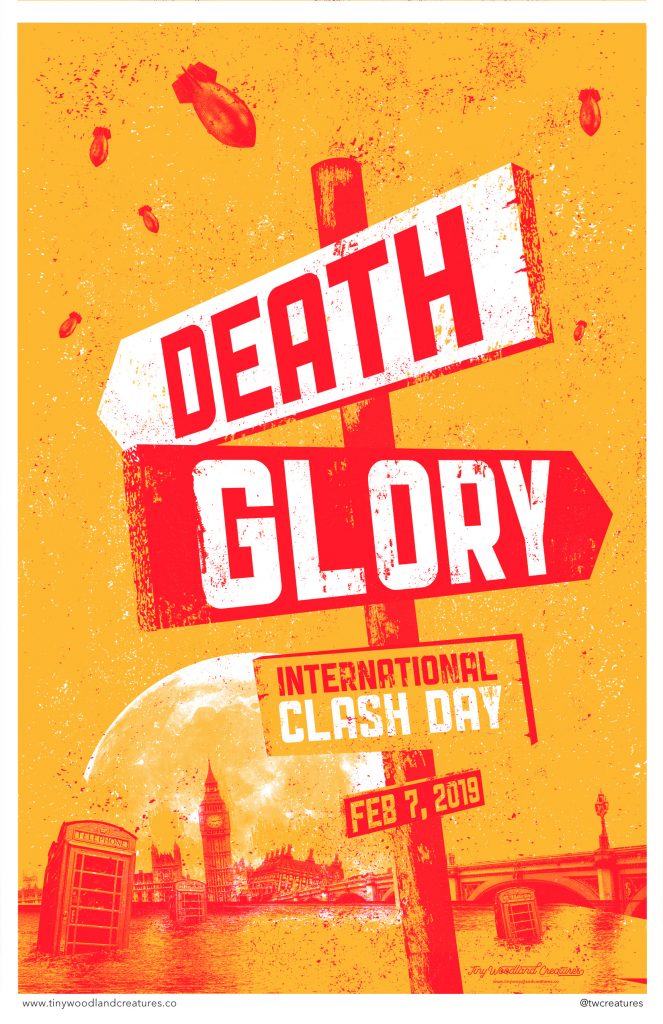
Every Day Is Clash Day

Day late, dollar short. Happy belated International Clash Day!

This is anti-racist, and anti-fear. This is pro-solidarity, pro-unity, and pro-inclusion. This is a public service announcement with GUITARS.

This is International Clash Day 2019, and all day long, all across the globe, we’re celebrating music as a tool for social consciousness, a band that made it sound so damn good, and an iconic record that still changes lives 40 years later.

Check out the other great posters on the dang ol’ site.

Shit

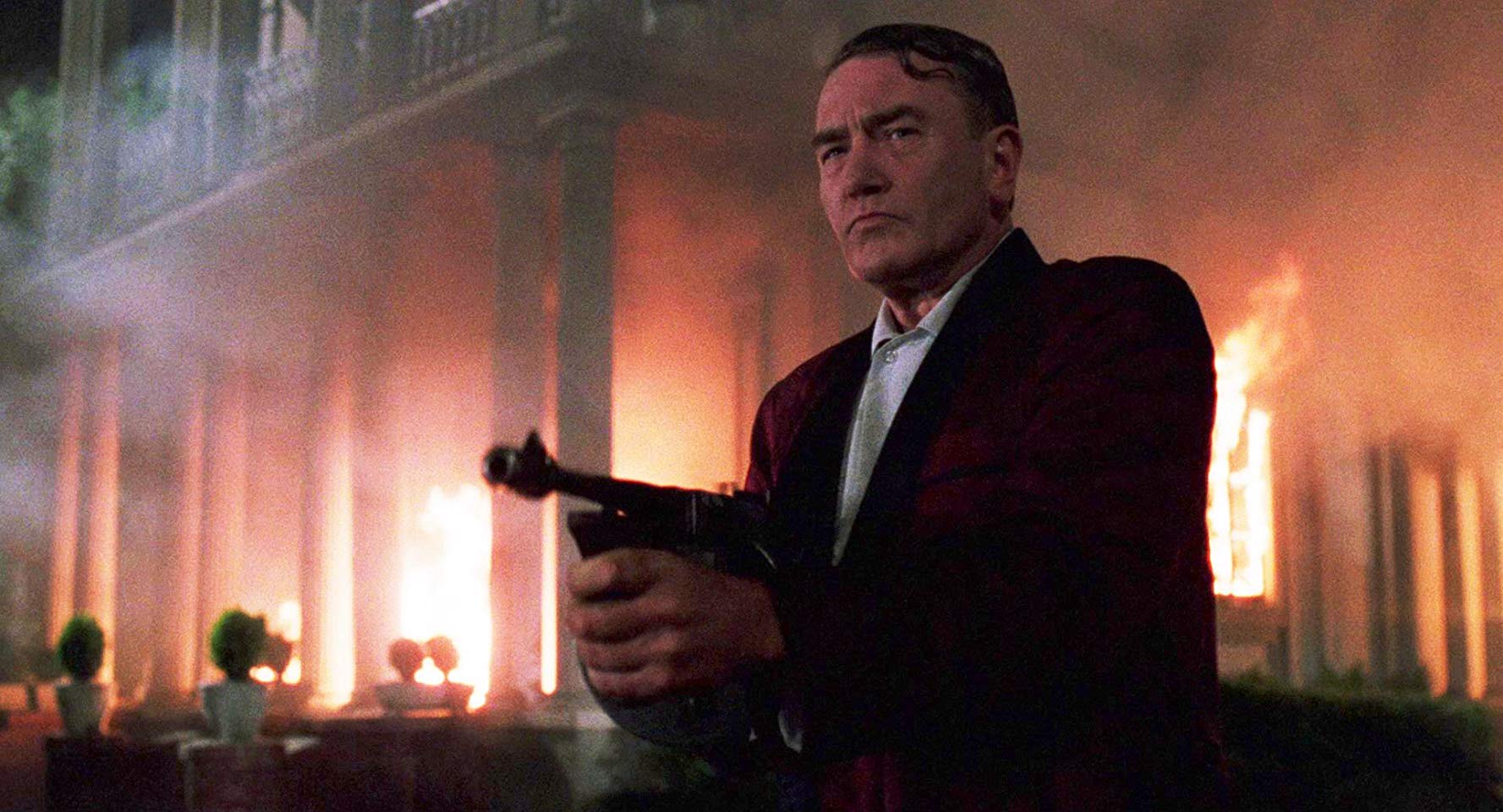
Albert Finney, aged 82, has shuffled off this mortal coil.

Think I’ll watch Miller’s Crossing this weekend …

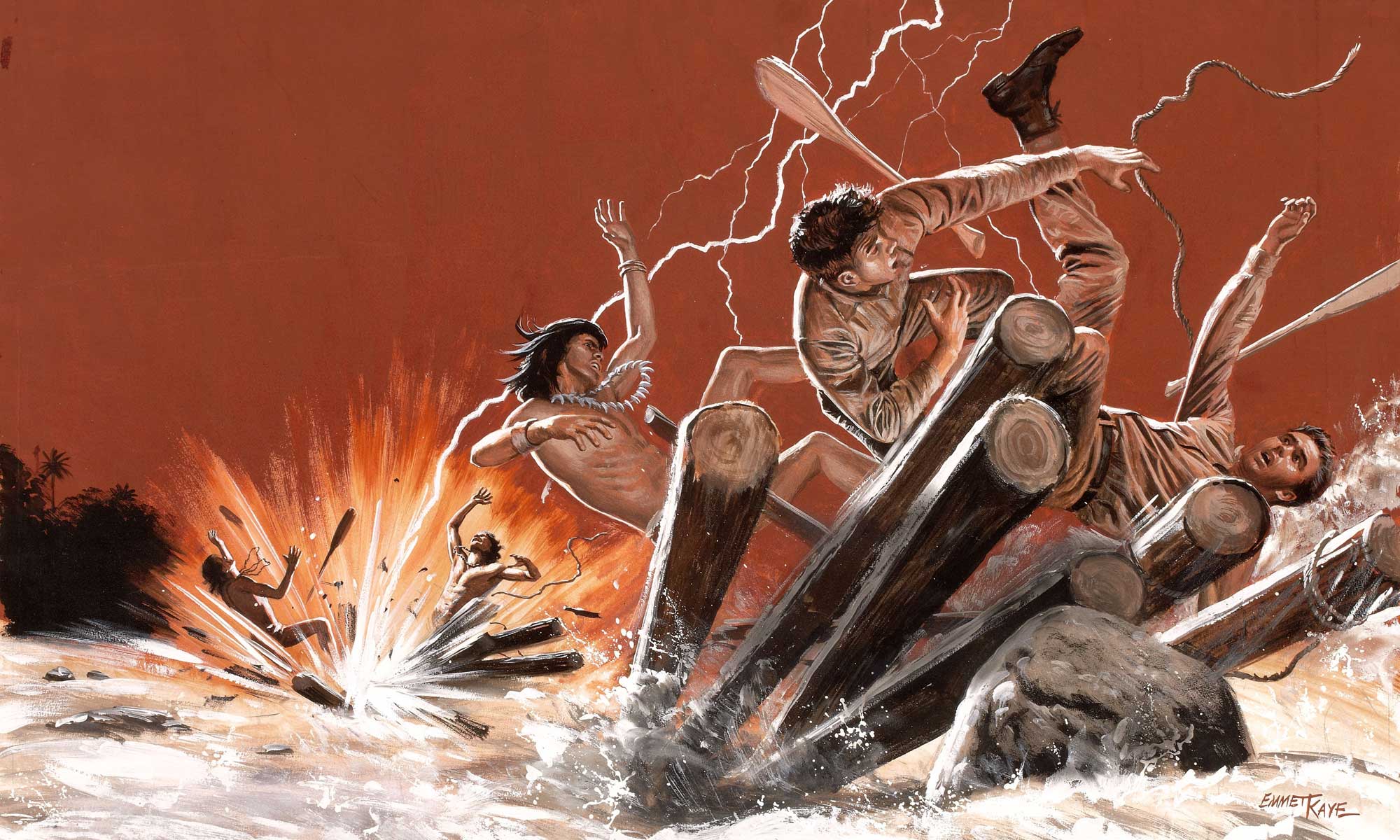
John Byrne’s Studio

Okay, so I have a John Byrne obsession, so what? He’s still got some pretty cool shit in his studio …

John Lindley Byrne (/bɜːrn/; born July 6, 1950) is a British-born, Canadian raised, American writer and artist of superhero comics. Since the mid-1970s, Byrne has worked on many major superheroes, with noted work on Marvel Comics’ X-Men and Fantastic Four and the 1986 relaunch of DC Comics’ Superman franchise, the first issue of which featured comics’ first variant cover. Coming into the comics profession as penciller, inker, letterer and writer on his earliest work, Byrne began co-plotting the X-Men comics during his tenure on them, and launched his writing career in earnest with Fantastic Four (where he also served as penciler and inker). During the 1990s he produced a number of creator-owned works, including Next Men and Danger Unlimited. He scripted the first issues of Mike Mignola’s Hellboy series and produced a number of Star Trek comics for IDW Publishing. In 2015, Byrne and his X-Men collaborator Chris Claremont were entered into the Will Eisner Award Hall of Fame.

Look Around You

*checks notes*

Yep, talented people still suck.

Look Around You is a British television comedy series devised and written by Robert Popper and Peter Serafinowicz, and narrated in the first series by Nigel Lambert. The first series of eight 10-minute shorts was shown in 2002, and the second series of six 30-minute episodes in 2005, both on BBC Two. The first series of Look Around You was nominated for a BAFTA award in 2003.

The humour is derived from a combination of patent nonsense and faithful references and homages. For instance, fictional items that have a passing resemblance to everyday objects are shown and discussed. Such items include the “boîte diabolique”, a box at the top of a piano scale which housed the “forbidden notes”; and “Garry gum”, a performance-enhancing chewing gum which has the unfortunate side-effect of inducing diarrhoea, necessitating the consumption of “anti-Garry gum”. Each episode begins with a “countdown clock”, similar to the one used on ITV Schools programmes from 1979 to 1987. The music that accompanies the countdown is in the same spirit as the original, but is played on a solo guitar, and at the beginning of the “Brain” module, the guitarist can be heard tuning.

The module subjects are distorted beyond recognition; for instance, germs are described as coming from Germany, and whisky is said to be made by combining water with nitrogen. The maths module features a distorted and inaccurate version of the ancient ‘seven cats’ puzzle by Ahmes. Additionally, subjects are mixed: for example, a chemistry experiment about eggs (In the episode Water) turns into a French language lesson. Each episode follows a general format, beginning with an introduction to the subject, followed by a series of silly experiments performed by the hapless (and normally mute) scientists, played by Popper, Serafinowicz and Edgar Wright, among others.

This is “Music,” episode 6 from the first season.
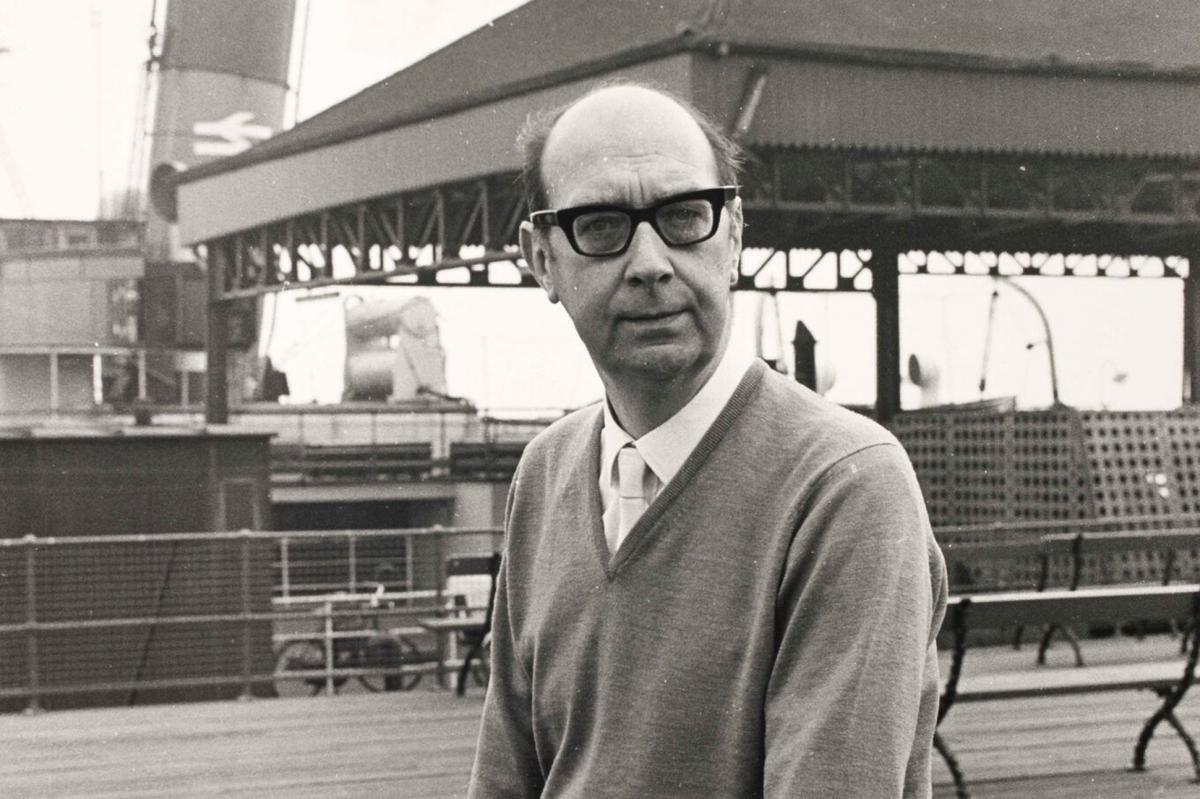
Sunny Prestatyn

By Philip Larkin

Come To Sunny Prestatyn
Laughed the girl on the poster,
Kneeling up on the sand
In tautened white satin.
Behind her, a hunk of coast, a
Hotel with palms
Seemed to expand from her thighs and
Spread breast-lifting arms.

She was slapped up one day in March.
A couple of weeks, and her face
Was snaggle-toothed and boss-eyed;
Huge tits and a fissured crotch
Were scored well in, and the space
Between her legs held scrawls
That set her fairly astride
A tuberous cock and balls

Autographed Titch Thomas, while
Someone had used a knife
Or something to stab right through
The moustached lips of her smile.
She was too good for this life.
Very soon, a great transverse tear
Left only a hand and some blue.
Now Fight Cancer is there.

The British Masters

Simonon seems like a good egg.

After Mark E Smith, Goldie, Liam Gallagher and John Lydon, Paul Simonon of The Clash joins host John Doran to be inducted as a British Master.

Originally known as the bass player in The Clash, a lifelong artist and style obsessive, Paul was one of the key architects of the aesthetics of punk. His obsession with dub and reggae helped broaden the sound of The Clash gloriously. We spoke to him in Damon Albarn’s West London Studio, where they were rehearsing for their upcoming tour as one half of The Good, The Bad & The Queen.