Winnipeg Gets It

As reported by The AV Club

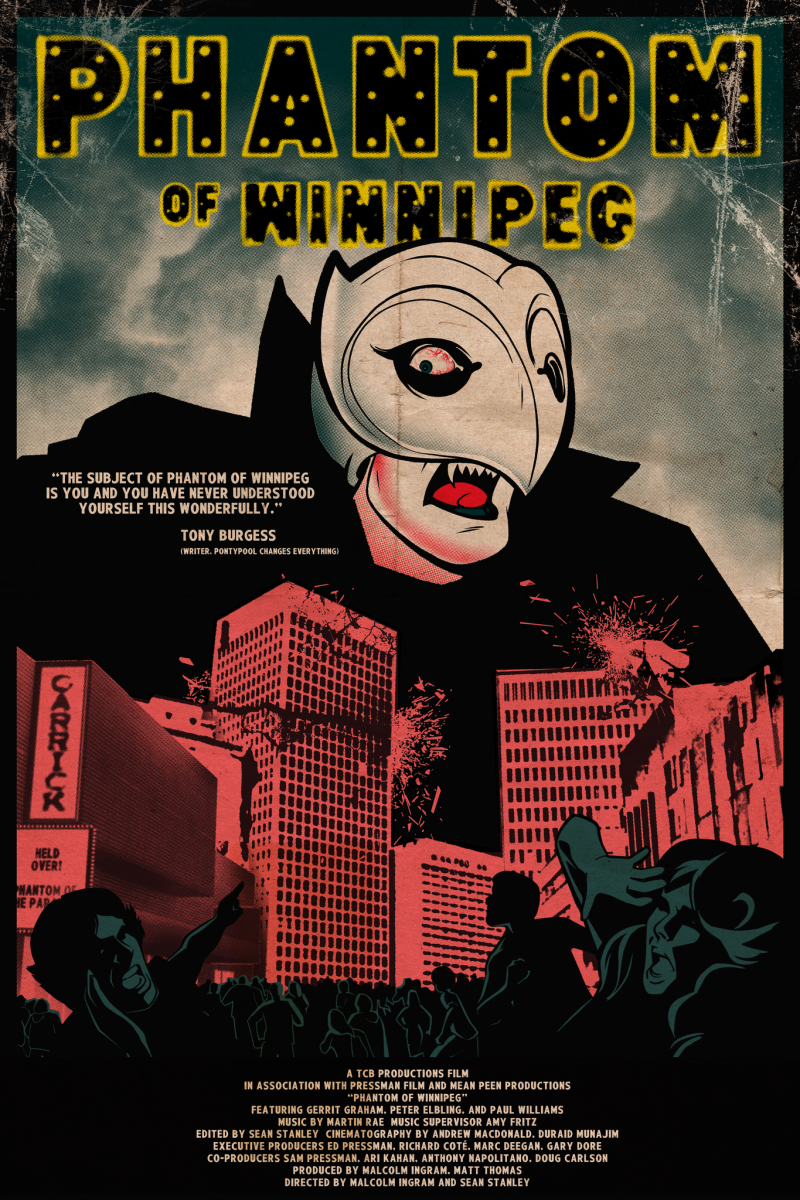
In most cities around the world, Brian De Palma’s 1974 rock opera-ish The Phantom Of The Paradise is a cult classic, appreciated mostly by self-proclaimed cinephiles with a taste for over-the-top strangeness. (As our own Ignatiy Vishnevetsky describes it in a piece recommending the film: “[Phantom Of The Paradise] represented the pinnacle of Brian De Palma’s undisciplined early excess: a smorgasbord of camp, Grand Guignol, and bird imagery that thumbed its metal beak at commercial considerations.”) In Winnipeg, Manitoba, however, it was a box-office sensation, and is still a pop-cultural touchstone on par with Star Wars.

This documentary premieres on July 12, and you can bet your bastard ass I’ll be seeing it as soon as possible.

Full article here.

First American Honda Restoration

The Honda N600, serial number 1000001. This is the first of 50 Hondas initially sent to the US in 1967 to see if they’d sell.

SPOILERS: They did.

This year marks our 60th anniversary in America. To commemorate this milestone, we’re looking back at the restoration of our very first car imported to the U.S. Watch Tim Mings bring Serial One back to mint condition before it went on to live in the American Honda Museum forever.

Kim Jung Gi

South Korean artist whose superpowers include an apparent photographic memory (which he denies) and the ability to draw in ink with no reference lines. And super-speed, of course.

Sweet Jebus

8-year-old Japanese girl KILLS IT. Watch her footwork closely – those triplets are a motherfucker.

Favorite YouTube comment: No matter how good you are on your instrument of choice there’s always going to be an Asian child somewhere who’s better than you.

Speaking Of Classic Synthesizer Albums …

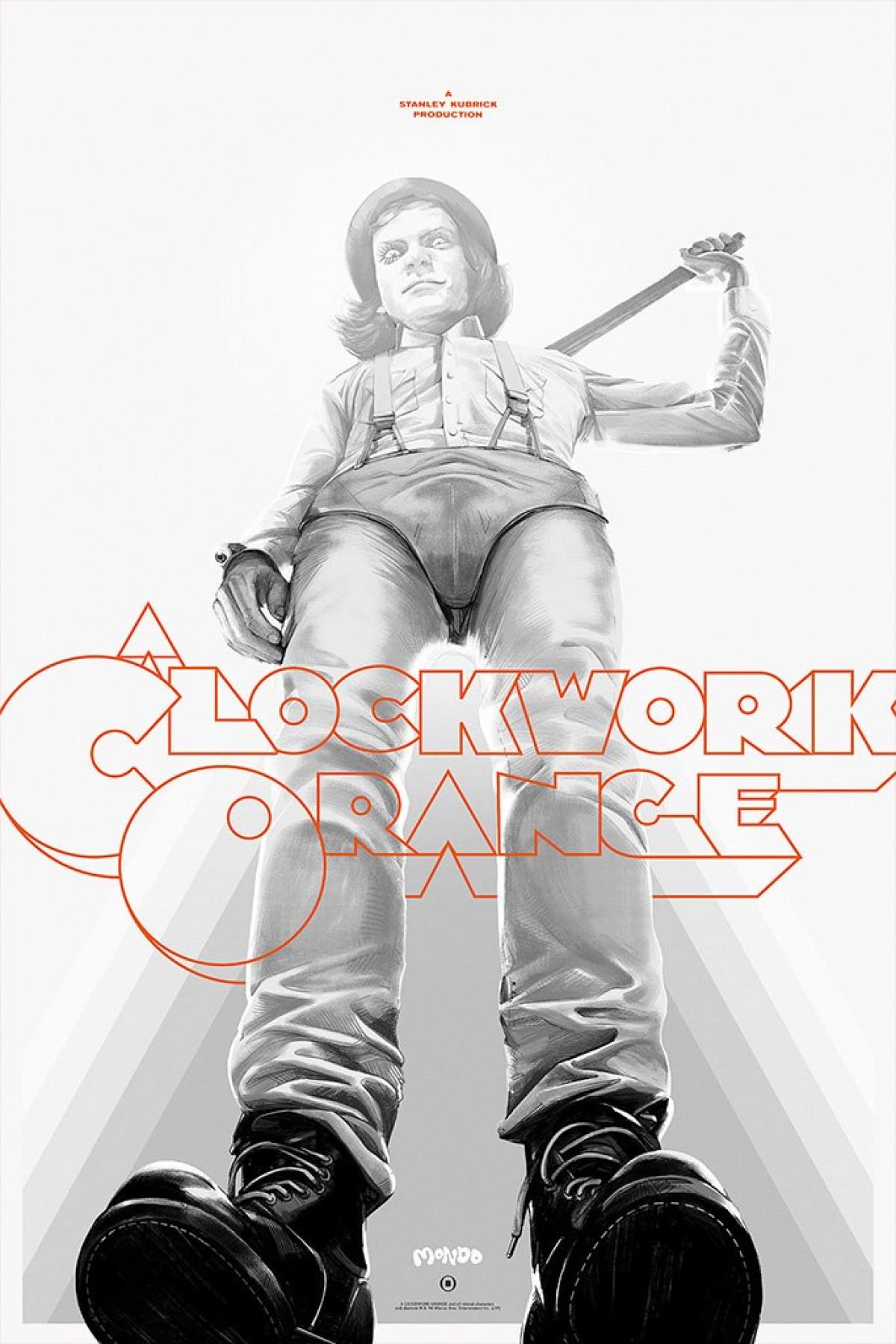
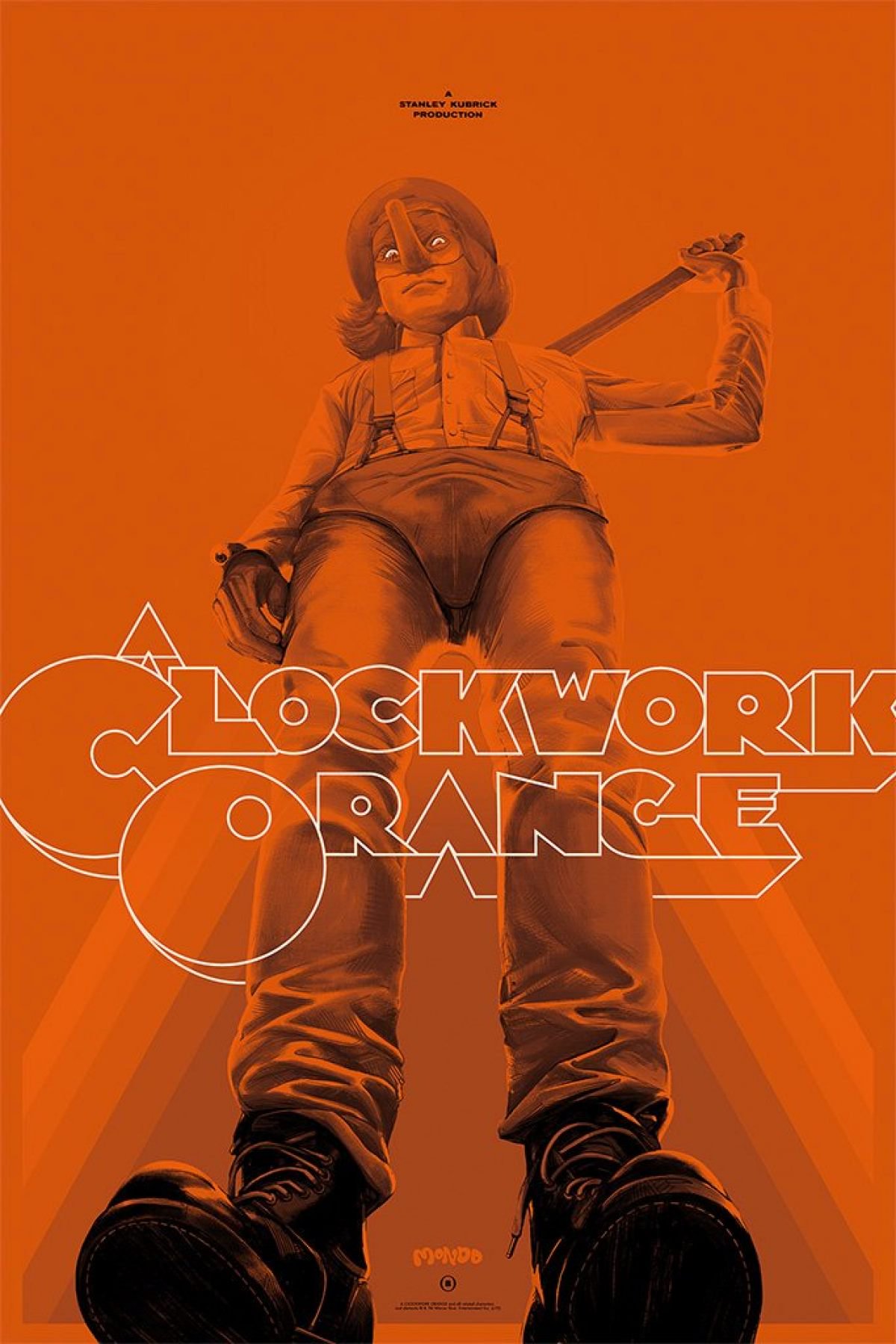
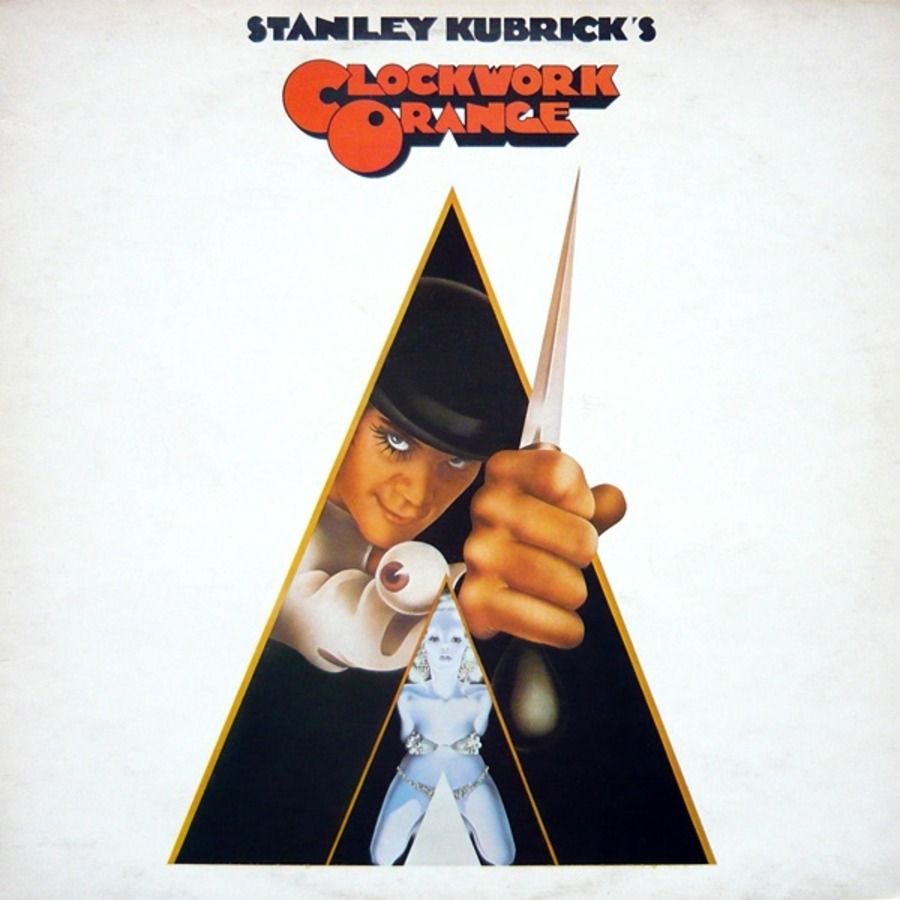
The soundtrack to Stanley Kubrick’s A Clockwork Orange was released to accompany the 1971 film of the same name. The music is a thematic extension of Alex’s (and the viewer’s) psychological conditioning. The soundtrack of A Clockwork Orange comprises classical music and electronic synthetic music composed by Wendy Carlos. Some of the music is heard only as excerpts, e.g. Edward Elgar’s Pomp and Circumstance March No. 1 (a.k.a. Land of Hope and Glory) heralding a politician’s appearance at the prison.

The main theme is an electronic transcription of Henry Purcell’s Music for the Funeral of Queen Mary, composed in 1695, for the procession of Queen Mary’s cortège through London en route to Westminster Abbey. “March from ‘A Clockwork Orange'” (based on the choral movement of the Ninth Symphony by Beethoven) was the first recorded song featuring a vocoder for the singing; synthpop bands often cite it as their inspiration.

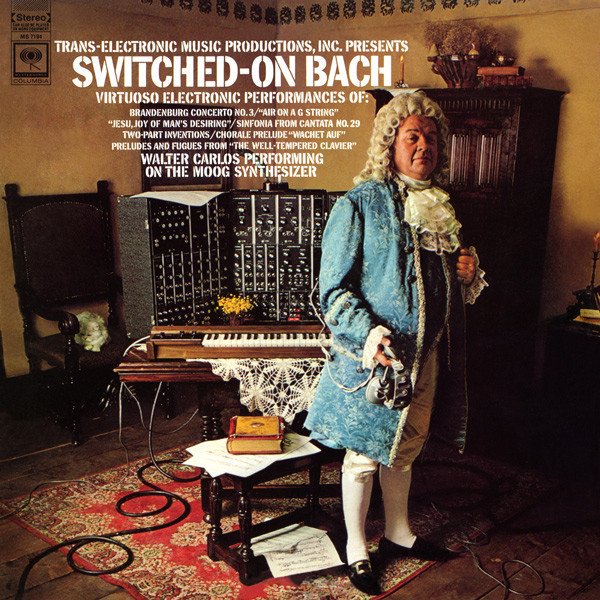
Switched-On Bach features ten pieces by Bach available under the public domain, performed by Carlos, with assistance from Folkman, on a modular Moog synthesizer. Carlos worked closely with Robert Moog, designer of the instrument, throughout the recording process, testing his components and suggesting improvements. The album was recorded in a studio in the basement of a brownstone building acquired by Carlos and Elkind in the West Side of Manhattan in New York City, using a custom-built 8-track recording machine constructed by Carlos from components built by Ampex.

Recording was a tedious and time-consuming process; as the synthesizers were monophonic, meaning only one note can be played at a time, each track was assembled one at a time. According to Carlos: “You had to release the note before you could make the next note start, which meant you had to play with a detached feeling on the keyboard, which was really very disturbing in making music.” The synthesizer was unreliable and often went out of tune; Carlos recalled hitting it with a hammer prior to recording to obtain correct levels. After several notes were played, it was checked again to make sure it had not “drifted”. According to Carlos, Switched-On Bach took approximately five months and a total of one thousand hours to produce.

Bach provided only two chords for the second movement of the Brandenburg Concerto No. 3 in G Major, intending that the musician would improvise on these chords. Carlos carefully constructed this piece to showcase the capabilities of the Moog.

Falling In Love Again, What Am I To Do?

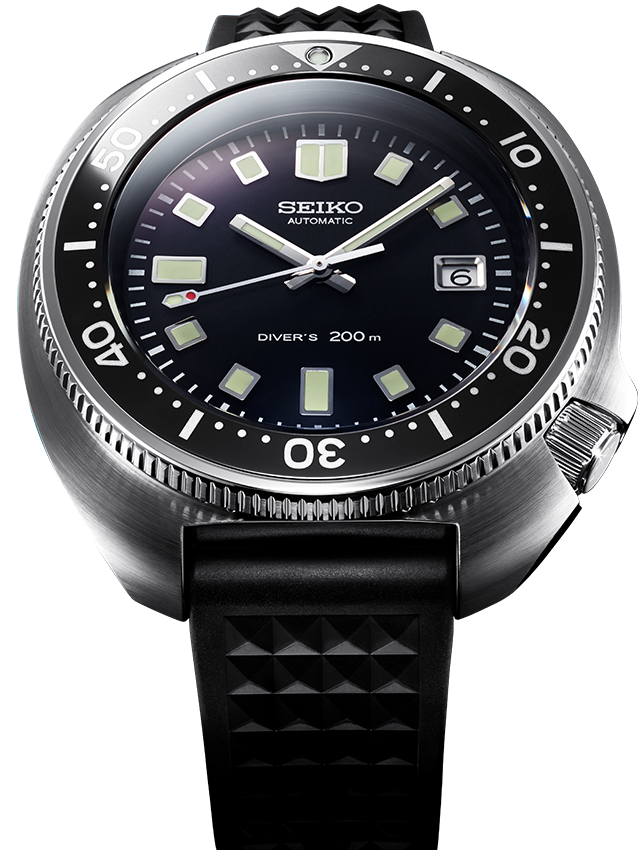
Never wanted to, I can’t help it. I mentioned this one to Renfield the other day, but I feel like it’s worth a post. Behold, the Seiko SLA033J1, a gorgeous reissue limited to 2,500 pieces. (The bastards.) It’s always a bad sign when the company’s own website won’t tell you how much the damn thing costs. But I did a little research, and this watch will set you back about $4,000.00. (EDIT: $4,250.00, to be exact.)

Introduced in 1965, Seiko’s innovative diver’s watch has been chosen by divers and adventurers globally. Seiko’s diving watch has become a global standard as a result over 50 years of innovation. The 1970 launch model, which boasts strong popularity in its history, will be reinstated. It is resurrected by modern state-of-the-art technology and design interpretation.

For comparison, here’s the original, the Seiko 6105-8110 …
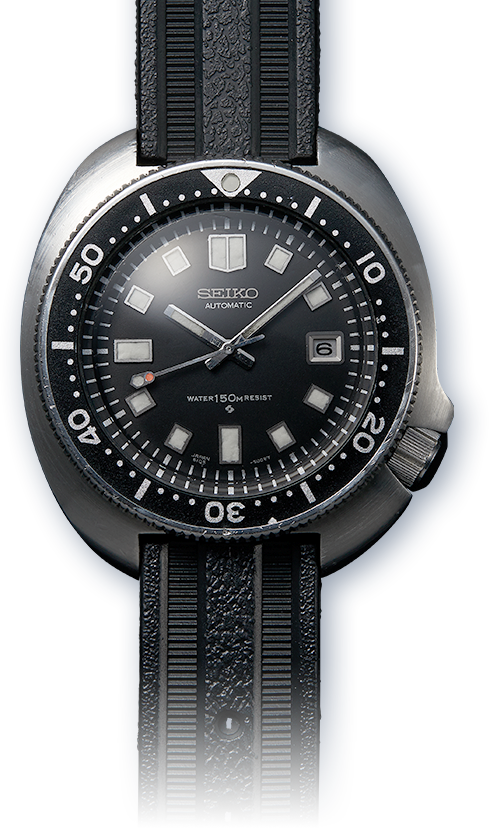
And as worn by Martin Sheen in Apocalypse Now

Movement
Caliber Number
8L35

Movement Type
Automatic with manual winding capacity

Accuracy
+15 to -10 seconds per day

Duration
Approx. 50 hours

Exterior
Case Material
Stainless steel (super hard coating) with stainless steel bezel

Glass Material
Dual-curved sapphire

Glass Coating
Anti-reflective coating on inner surface

LumiBrite
Lumibrite on hands and indexs

Band Material
Silicone

Other Details
Water Resistance
200m / 660ft diver’s

Magnetic Reluctance
Equipped

Case Size
Thickness: 13 ㎜
Diameter: 45 ㎜
Length: 49.7 ㎜
Other specifications
Screw case back
Screw-down crown
Serial number engraved on the case back
Unidirectional rotating bezel

Other Features
26 jewels
Date display
Stop second hand function