https://youtu.be/XA-GkDSBOP8
From 2015, a compilation of Brits swearing at idiot drivers. Glorious.
Tales of True Adventure for Rugged Men Not Unlike Yourself
https://youtu.be/XA-GkDSBOP8
From 2015, a compilation of Brits swearing at idiot drivers. Glorious.
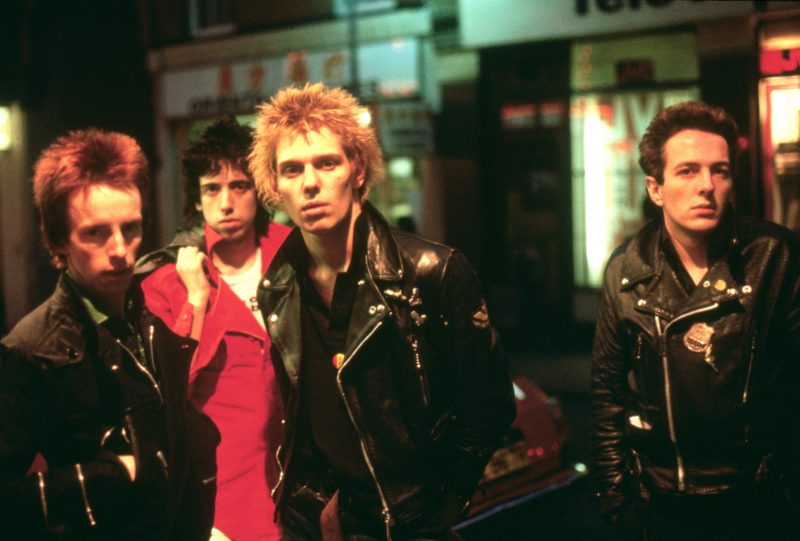
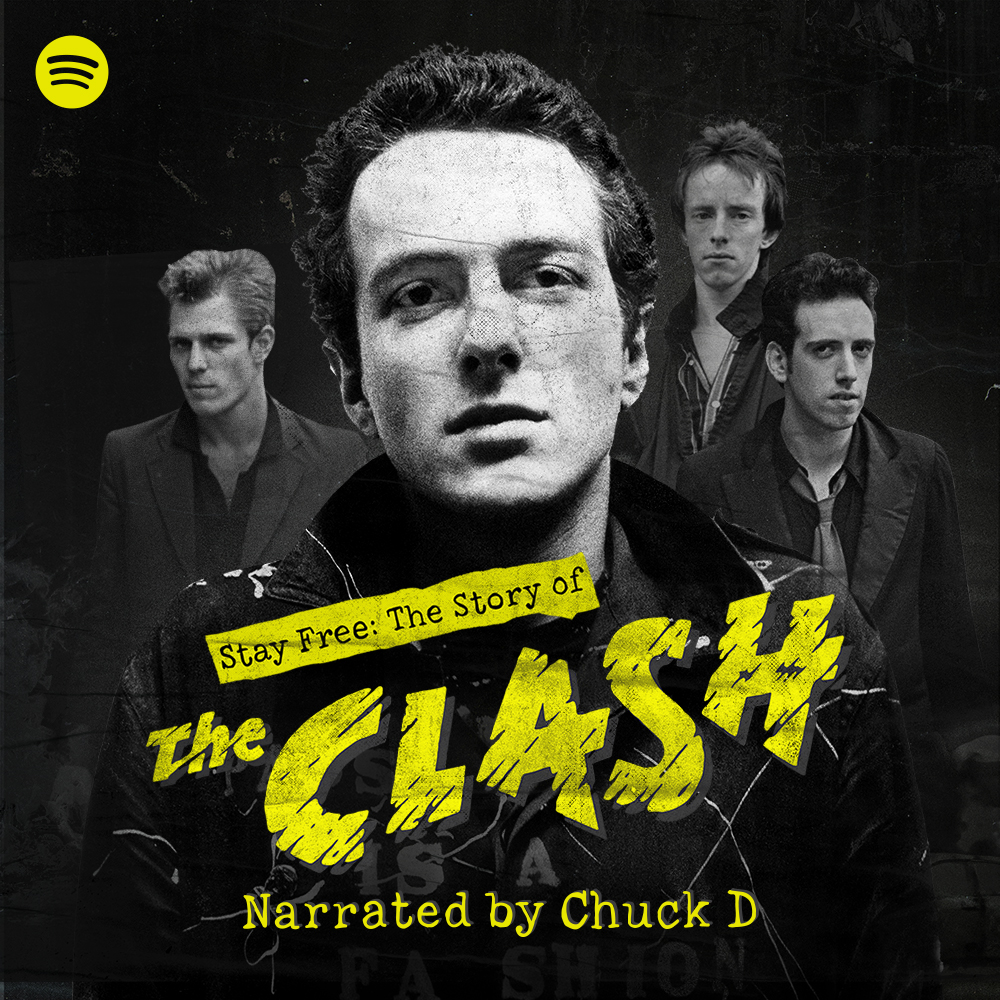
Some (most?) of these picks are absolutely ridiculous. The suggestion that anything off Sandinista! qualifies for the top 25 invalidates the list completely. Still, it’s a good time-waster if you’re stuck somewhere.
If you don’t care to look through the whole thing, here are the top 10.
10. “Rock the Casbah,” Combat Rock (1982)
9. “The Card Cheat,” London Calling (1979)
8. “Stay Free,” Give ‘Em Enough Rope (1978)
7. “Death or Glory,” London Calling (1979)
6. “The Magnificent Seven,” Sandinista! (1980)
5. “Complete Control,” single (1977)
4. “Hitsville UK,” Sandinista! (1980)
3. “London Calling,” London Calling (1979)
2. “Straight to Hell,” Combat Rock (1982)
1. “(White Man) in Hammersmith Palais,” single (1977)
Whole stupid thing here.
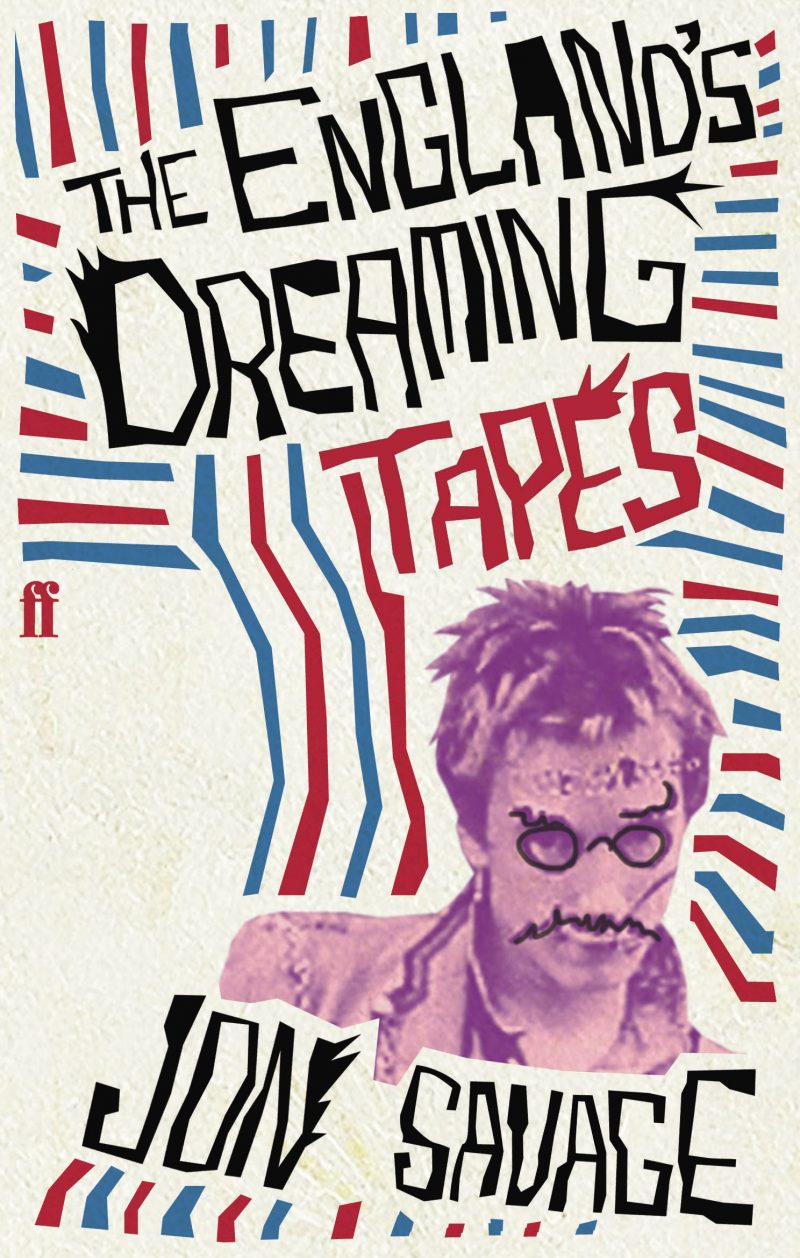
Goddammit, this book came out almost nine years ago – and I completely missed it! (I blame Fat Elvis.) If’n yer curious, it’s a collection of all the interview transcripts Jon Savage used for his 1991 masterpiece, England’s Dreaming: Anarchy, Sex Pistols, Punk Rock, and Beyond.
753 pages!
In The England’s Dreaming Tapes, Jon Savage has gone back to the source to re-create, in original interview form, the extraordinarily disparate and contentious personalities who emerged in the mid-70s as the harbingers of what became known as punk.
Here in uncut form is the story of a generation that changed the world in just a few months in 1976. In interviews with all the major figures of the time – including all four original Sex Pistols, Joe Strummer, Chrissie Hynde, Jordan, Siouxsie Sioux, Viv Albertine, Adam Ant, Lee Black Childerss, Howard Devoto, Pete Shelley, Syl Sylvain, Debbie Wilson, Tony Wilson and Jah Wobble – Jon Savage has produced a book huge in scope, vision and generosity of perspective.
The England’s Dreaming Tapes will surely become the final word and the must-have oral history of the music, fashion and attitude that defined this influential and incendiary era.
I have a sickness.
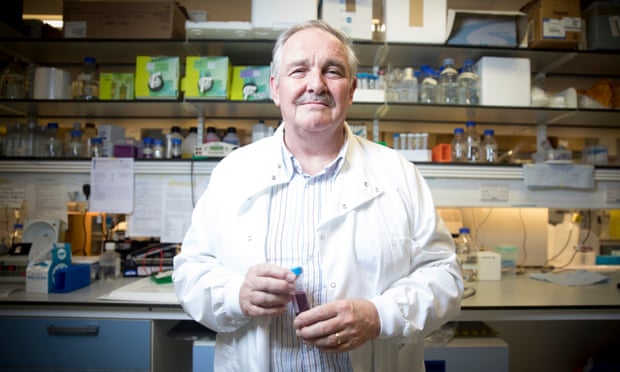
David Nutt, psychiatrist and director of the neuropsychopharmacology unit at Imperial College London, has been working on a safe alternative to booze since he discovered an alcohol antidote as a PhD student in 1983. From an article in The Guardian, here’s the cool science-nerd part …
What Nutt now knows is that there are 15 different Gaba receptor subtypes in multiple brain regions, “and alcohol is very promiscuous. It will bind to them all.” Without giving away his trade secrets, he says he has found which Gaba and other receptors can be stimulated to induce tipsiness without adverse effects. “We know where in the brain alcohol has its ‘good’ effects and ‘bad’ effects, and what particular receptors mediate that – Gaba, glutamate and other ones, such as serotonin and dopamine. The effects of alcohol are complicated but … you can target the parts of the brain you want to target.”
Handily, you can modify the way in which a molecule binds to a receptor to produce different effects. You can design a peak effect into it, so no matter how much Alcarelle you consume, you won’t get hammered. This is well-established science; in fact Nutt says a number of medicines, such as the smoking cessation drug varenicline (marketed as Champix), use a similar shut-off effect. You can create other effects, too, while still avoiding inebriation, so you could choose between a party drink or a business-lunch beverage.
Ultimately, the aim isn’t for Alcarelle to become a drinks company, but to supply companies in the drinks industry with the active ingredient, so that they can make and market their own products. You would expect that the alcohol industry would view Alcarelle as its nemesis, but Orren says that industry players “are approaching us as potential investing collaborators”. This doesn’t surprise Jonny Forsyth, a global drinks analyst at Mintel. “The industry is increasingly investing in alcohol alternatives,” he says. “We have seen a lot of investment in cannabis … They’re looking at nonalcoholic gins and soft drinks because they know people are drinking less [alcohol], and this is a trend that is going to carry on. If the science is right, and if it’s easy to mask the taste, I think it’s got a great chance.”
Full article here.
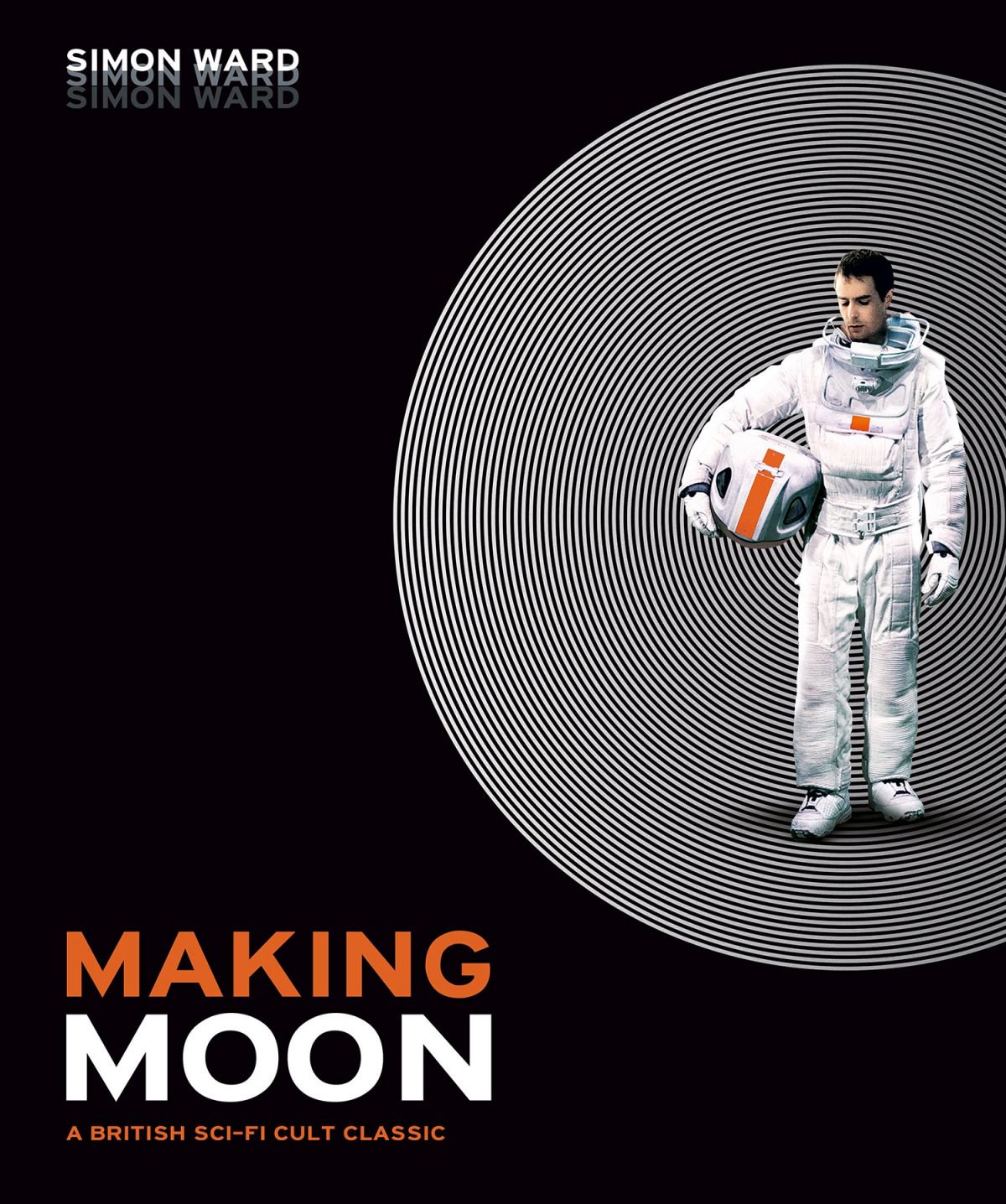
Any of you bastards ever see Moon? (AKA the tiny, old-school-sci-fi movie that David Bowie’s son directed.) Can’t believe it came out 10 years ago, but then, I can’t believe I’m 50. Go figure.
Moon is on Netflix at the moment, and well worth a look. It’s best to go in cold though, so don’t watch trailers or read spoilerish reviews. It’s so beloved that a book is coming out later this year to commemorate its 10-year anniversary. Check it out …
Titan Books and Liberty Films are delighted to announce the publication of Making Moon to coincide with the 10th anniversary of Moon’s initial release, as well as the 50th anniversary of the Apollo 11 moon landing. Director Duncan Jones’ feature film debut, Moon won the BAFTA for Outstanding Debut by a British Writer, Director or Producer, along with numerous film critic and film festival awards. Moon was also nominated for the BAFTA for Best British Film and the Saturn Award for Best Science Fiction Film in 2009.
Directed by Duncan Jones, and written by Nathan Parker from a story by Jones, Moon is a 2009 science fiction drama following Sam Bell (Oscar®-winner Sam Rockwell), a man who experiences a personal crisis as he nears the end of a three-year solitary stint mining helium-3 on the moon. Independently financed and produced on a modest budget, Moon became an instant cult classic. It was well received by critics and audiences alike, and was particularly praised for its scientific plausibility and realism.
Set to publish on 3 September 2019, Making Moon will take an in-depth look back at the film’s production. It features interviews with the film’s key creatives and includes rare concept and behind-the-scenes images, as well as excerpts from the original shooting script.
I’ve never seen the unedited video.
It’s hard to imagine in these times, just how much of an uproar the unedited version of David Bowie’s China Girl video created when it was first released in 1983.
The effect on ordinary folk was like that scene in Perfume, with folk ripping off each other’s clothes and fornicating in the streets and the like.
OK, it wasn’t quite like that, but there was certainly a right brouhaha in the press and it was even banned by TV stations the world over.
The David Mallet directed video featured New Zealand model Geeling Ng, and the final moments of the video with her naked in the surf with Bowie (which got some a little hot under the collar), was a visual reference to the film From Here To Eternity.
Of course, this was all a bit of a distraction from the intended message of the video and possibly even Iggy Pop’s original lyric too.
Mainly shot in the Chinatown district of Sydney, the China Girl video (along with the previous Let’s Dance video), was a critique of racism with Bowie describing it as a “very simple, very direct” statement against racism.
Bowie said in Rolling Stone that same year: “Let’s try to use the video format as a platform for some kind of social observation, and not just waste it on trotting out and trying to enhance the public image of the singer involved. I mean, these are little movies, and some movies can have a point, so why not try to make some point.”
And in another interview at the time, Bowie opined: “The message that they [the videos] have is very simple, it’s wrong to be racist!”
Which is funny, because Iggy Pop says the lyrics are about his infatuation with Kuelan Nguyen as a metaphor for his time with the Stooges.
I love the Stones, but Jeebus, they did some horrible videos. Case in point: