Spot the Ripoff is a fun game songwriters play with other people’s songs. It took me most of the day, but goddammit, I figured it out.
The Kids Are Alright
Influences on proud display.
Temperature Timeline

XKCD is great fun. I enjoyed this for the historical perspective, and had no idea that Boston and New York were iced over as recently as 20,000 years ago.
Also: if this pandemic doesn’t get us, liquefied Antarctica surely will.
Have a nice day.
Non-Human Persons
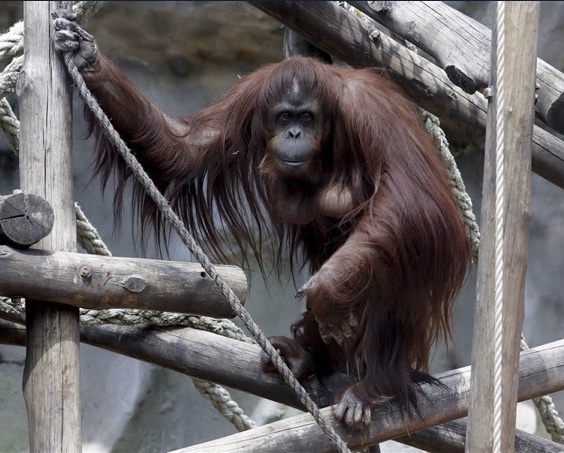
”A 33-year-old orangutan granted legal personhood by a judge in Argentina is settling into her new surroundings at the Center for Great Apes in central Florida.”
Story here.
“Ape King” documentary presumably to follow.
I Feel Fine
How have I never seen this video before?
Hi, I’m Johnny Cash
https://www.youtube.com/watch?v=ppttxQoc74Q
Shit
Adam Schlesinger, 52. Fucking COVID-19.
Fu’s
Came across this today. From what my 11 seconds of research could reveal, it was included in later edits of the Return of the Living Dead, but not part of the original soundtrack.
Whatever Games I Play
The RNRHF just released a bunch of clips from this year’s induction ceremony. As you bastards may or may not remember, I don’t give two shits about that ridiculous institution, but it did give us this performance. The Cure still sounds amazing live, and Robert Smith is promising a new Cure album this year.
The clip below is included only for his good-natured sarcasm, which made me laugh. I’m sure she meant well …
Watusi Rodeo
Low-budget early-80’s fun from Athens’ Guadacanal Diary. Features infamous midtown character Dancin’ Jimmy doing his thing outside the Antenna Club at about 0:25. Hilarious dance sequence during the instrumental break. Makes me nostalgic for the days when bands all over the south (most notably REM) were cramming their stuff into station wagons and U-Hauls and hitting cities and college towns, playing at whatever dumps would have them.