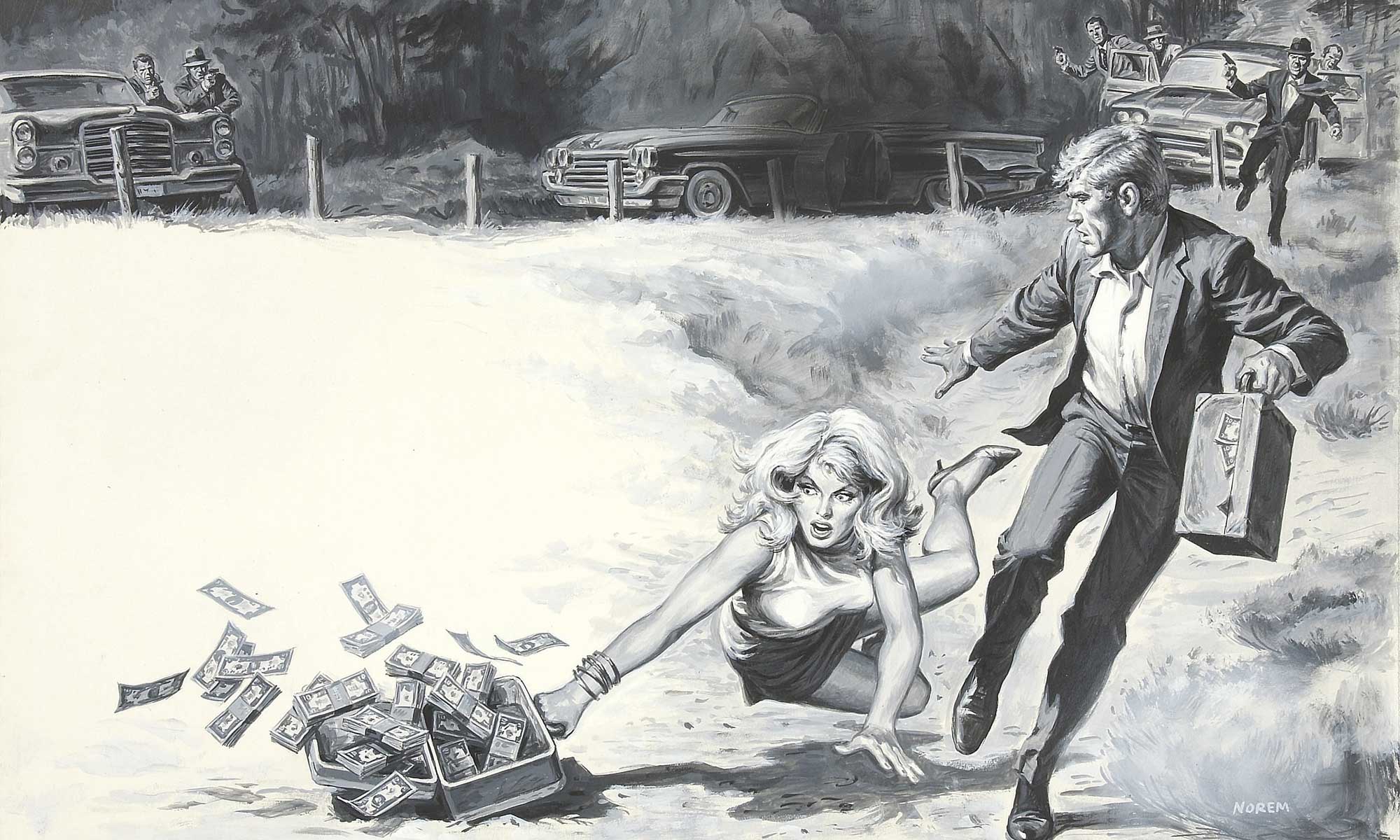
I don’t know if I’d like porter, but this video sure makes me want one. In all likelihood, none of us has had the real thing. I’m sure some of the jillions of craft breweries out there offer a porter, but is anyone drawing it from separate kegs like in this video? Apparently it became a lost art in the early 70’s. Sad.
This Looks Pretty Good
Stephen King likes it, anyway. And it’s 100% fresh on that produce site.
New Slang
You know it’s legit because it’s suburban white people.
Shit
Eric Carmen has hopped the twig, aged 74.
How Did I Miss This?
Smoking Popes album from 2018 with the original lineup! Tuck in, you filthy bastards!
DST Reminder
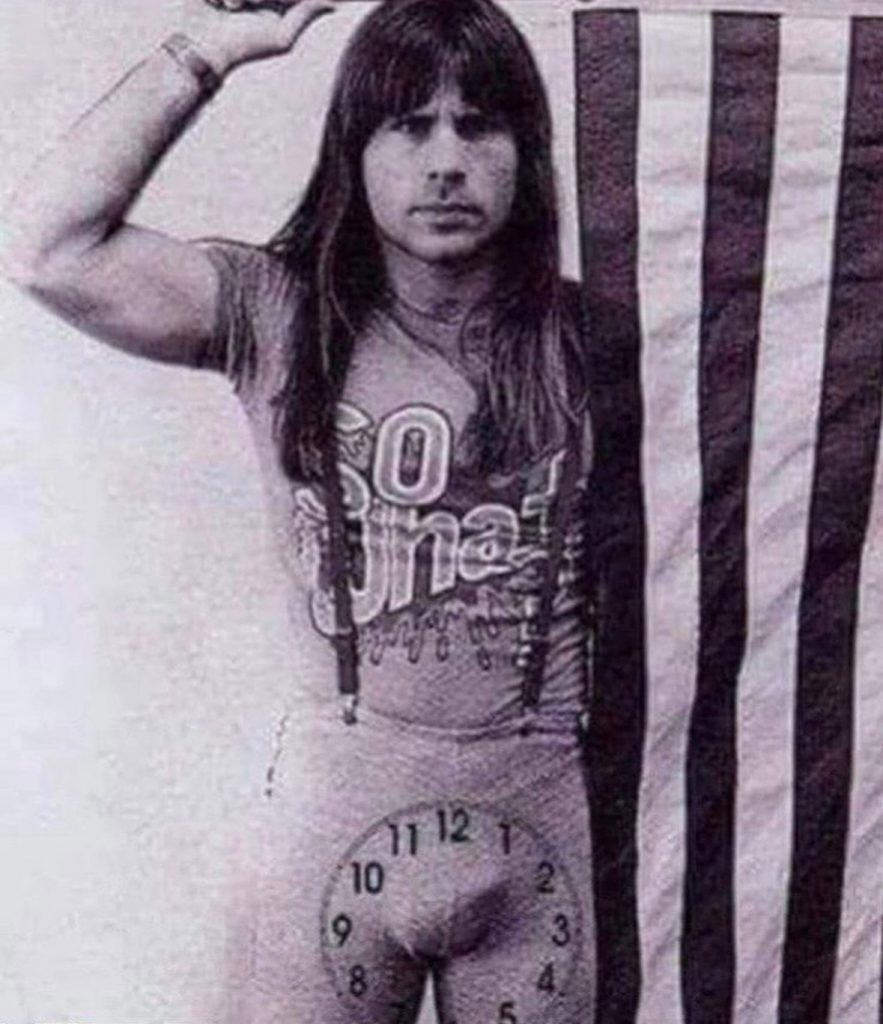
Don’t forget to adjust your cocks, I mean clocks.
Look upon this as Renfield’s revenge for that Rod Stewart pubes pic.
Oh Shit
New Libertines single! For the record, we did it first.
Imo loves the feeling of rolling in the sun
Rolling in the oceans she rolls until she’s numb
But it’s never too long before a swell comes crashing in
And you’re gonna go down if you don’t learn how to swimEvery moth to a candle finds a flame too hot to handle
And Jamie broke down at Imo’s every scandal
Imo went west and Jamie sang the blues
It was Niki’s raw heart that lit her fuseAnd she went
Oh shit, oh shit
Let’s make some money
Just enough to get us by
I want you when you smile
You got the dollars in your eyesOur love is
So sick, so sick
Just takes a minute to obliterate her mind
I want you when you smile
From today until you dieThey love rocky crystal in a lottery ticket
Unfortunate events (she’s his Jiminy Cricket)
Carving out initially (they did it on a wall)
And and I, in the world of a heart shaped scrawlGuides a finger across his hairline
As his head rests on the bar
He’s stone cold cut
And she hotter than a starBut Niki loves the fire
And Niki loves the fight
And Niki’s got a heart
That will love you through the nightAnd they go
Oh shit, oh shit
Let’s make some money
Just enough to get us by
I want you when you smile
I want the dollars in your eyes
And they go
Oh shit, oh shit
Let’s make some money
Just enough to get us by
I want you when you smile
I want the dollars in your eyesTank top, boots
No money
Living on the stubs
What’s it even matter
You’re just young and in loveOh shit, oh shit
Oh shit, oh shit
Oh shit, oh shit
Just enough to get us byAnd we go
Oh shit, oh shit
We need some money
Just enough to get us by
And everybody goes, whoa
We got the dollars in our eyes
We go oh shit, oh shit
We need some money
Just enough to get us by
Oh I want you when you smile
I want the dollars in your eyes
Oh shit, oh shit
It’s A Gift
If you like W.C. Fields and haven’t seen It’s A Gift, it’s a must-see. Here’s another scene.
Get Happy
If you haven’t played through this whole album lately, do yourself a favor. I have no foul moods that this album won’t dissipate before turning me into a grinning idiot. I find “Dracula’s Daughter” (and many others) addictive, but it’s a bit uncharacteristic; the rest of the album rocks like fuck. When I finally got around to buying a copy a couple of years ago, it had a sticker that said “10 Brand-New Songs Scientifically Designed To Make Anybody Happy.” Rare case of marketing matching the product.
Crank It Up
Please to enjoy this blistering rendition of “Sin City” as performed on The Midnight Special, November 24, 1978.