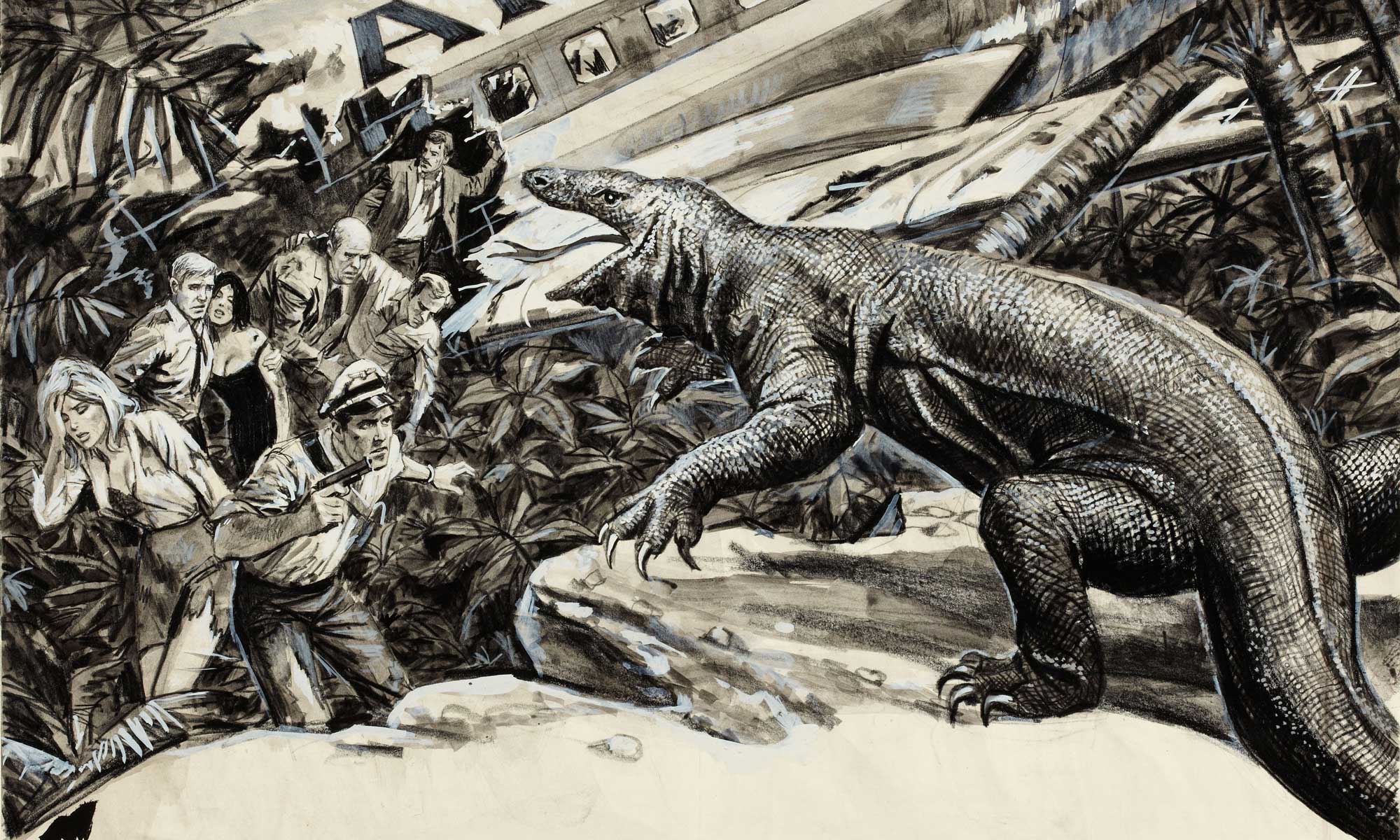
In ancient times when colossi bestrode the earth and people downloaded instead of streamed, I downloaded a couple of albums by this band. I have no idea who they are/were or any recollection of where I heard about them, but they’re pretty good. Here’s a good Who rip-off, and here’s another one like the one above. More songs on YouTube if you’re so inclined, some may be better. It looks like they only made two albums.
Whoa Indeed
Paul McCartney + Todd Rundgren + Memphis = Van Duren. Van made probably the best album from the ’77-’78 local power pop “scene.” I use quotes because that “scene” consisted of three bands, a revolving cast of girfriends, about 20 midtown weirdos, and no clubs that would book those bands more than once. So barely a scene at all. Which is why everyone tried relocating, with varying degrees of failure.
Great song, although he might have overused the “whoas.”
Inspiration
An uplifting tune to get you over the midweek hump.
Just Don’t Dance
It can’t be New Year’s without seeing someone make an ass of himself. Who’s better at that than Mike Love? This begins as a funny/sad skit, but the real comedy begins at 2:27 with 70’s footage of Love trying to preen and prance around like Mick Jagger. He also apparently hit a Goodwill dumpster trying to copy Mick’s look. Jesus.
People who shouldn’t dance (I’m one) should know better by the time they reach adulthood. The most blessed of us never really wanted to anyway. I get that singers feel awkward just standing there. Fine, but if they can’t dance, give them a prop guitar. I’m guessing the other Beach Boys preferred letting him make a fool of himself to arguing with an asshole.
Shit
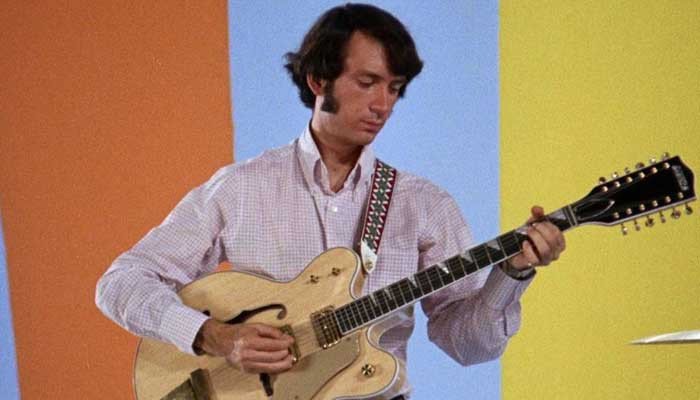
Fun facts:
His mother, single and working multiple jobs, invented Liquid Paper in her kitchen blender and made a fortune.
Contra his “quiet Monkee” persona, he had a temper. When Don Kirshner told them he’d sue the Monkees for breach of contract for wanting more artistic control, Nesmith punched a hole in the wall, telling Kirshner it could have been his face. He’d grown to think Kirshner was an idiot, especially after DK refused to let the Monkees record his song, “Different Drum,” which afterward became a huge hit for Linda Ronstadt. (If you ever watched Don Kirshner’s Rock Concert back in the 70’s, he really did sound like an idiot.)
Post Monkees, one of his media companies was defrauded by PBS. He won in court, and afterward said, “it’s like catching your grandmother stealing your stereo. You’re glad to get your stereo back, but you’re sad to find out that Grandma’s a thief.”
Sex-Crazed Sanity
A new use for Viagra. I carry some genetic risk for Alzheimer’s, indeed you bastards may have already diagnosed me. If I go this treatment route, Mrs. Renfield’s probably going to throw open the marriage on my end.
Holy Mystery of Fandom
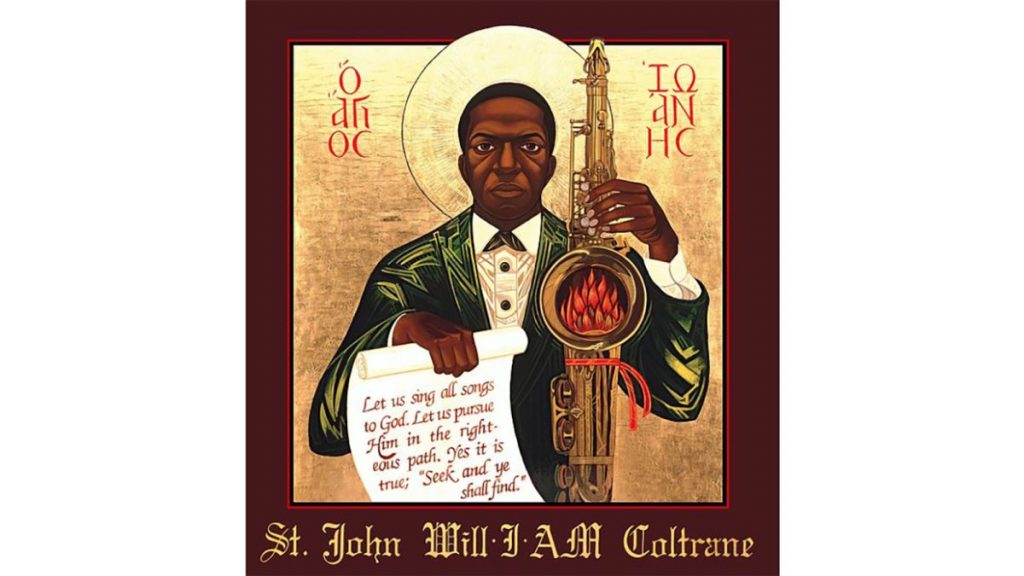
I like John Coltrane as much as the next egghead, but this is a little much.
Musician?
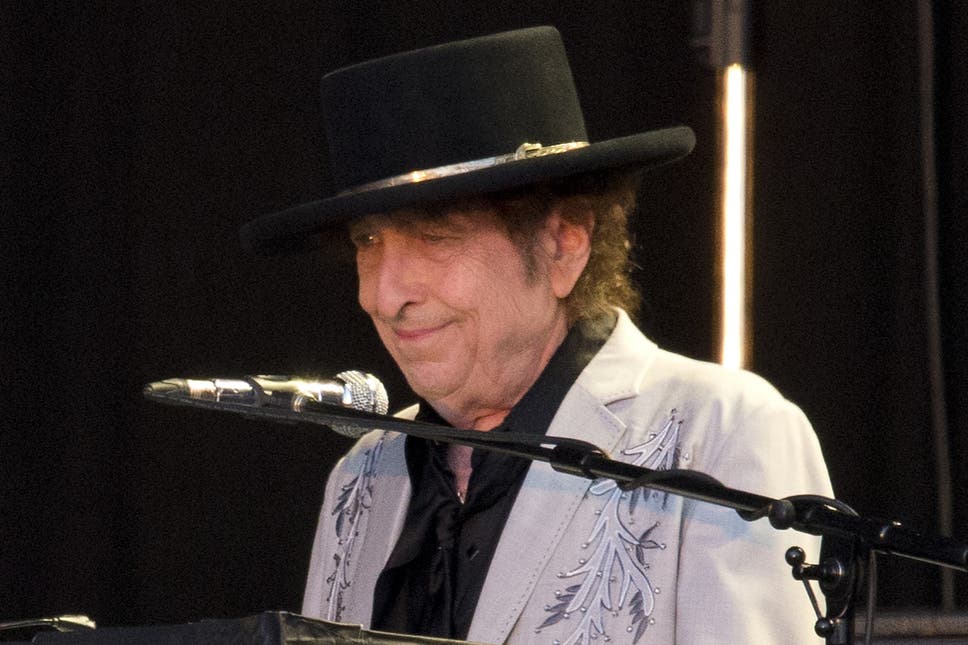
I was bored at a relative’s home over the weekend and noticed a copy of the Neil Young biography, Shakey. I started reading random passages and ran across something interesting. Someone (I forgot who) recalls a meeting between Stephen Stills and Bob Dylan. After the meeting, Stills mentioned to the narrator that although he admired Dylan very much, he didn’t consider Dylan a musician. The narrator was horrified. The great Bob Dylan, not a musician?
Stills was correct. Let’s look at the facts. As a guitarist, Dylan doesn’t display much that you couldn’t teach anyone. As for the harmonica (barely an instrument really, but let’s be thorough), his playing reminds me of why I hid our harmonica from my two sons when they were very young. As for his singing, you could argue that the younger Dylan’s voice gave an appropriate tone to some of his songs. But we’re talking about musicianship here, and his singing has never been good in purely musical terms. And as for his “mature” voice, it reminds me of the noise my stomach was making a couple of weeks ago after I ate too many ribs.
Then there’s songwriting. I won’t deny he’s written some good ones (hard not to do when you’ve written several million). At best, they are effective support for the main ingredient, his lyrics. Musically, there isn’t much going on in them. You can find great instrumental parts, but they’re the work of others such as Robbie Robertson, Al Kooper, et al. Well-known covers of his songs are always better than the originals. Well, maybe not always.
So is Dylan a musician? Nah.
Dylan’s talents lie in lyrics and self-promotion. But as a lyricist, he is not the infallible god of his most ardent fans. It’s been pointed out elsewhere that you can’t be “along” a watchtower. You can be in, on, around, or even buried under one (which might have been a better premise), but not along one. Nit-picking perhaps, but it has a reputation as a great song, and great writing must be precise, even where the meaning is obscure. Then, there are some real clunkers. “Mr. Tambourine Man” is just plain dumb. But to be fair, everyone has bad days, and you can’t write as much as he has without misfiring. I find the protest songs to be overly earnest and boring, but my anti-folkie bias might disqualify me as a judge of those.
His real genius has been in nurturing the cult of his own genius. I can’t think of an artist who has more deftly used aloofness and contempt to rope fans into a sort of narcissistic codependency. It has enabled him to carve out a career on his own terms, so good for him. It has also worked so well that there will be no clear-sighted reassessment of Dylan until most boomers have downsized to the cemeteries.
That said, I’ve always liked his Live 1966 album where he gave a middle finger to the folkies by going electric. There’s real rock’n’roll tension there, and The Band play like gods. I also enjoyed his Theme Time radio show back in the aughties.
A Better Song
Since I posted an annoying song, here’s a good one. A women’s prison riot, two-gun Mathilde, and a, um, suggestive arrival of State Troopers. What, I ask, is not to love here?
Happy Birthday To Me?
I’ve never liked this song, but today I HATE it. At least the Sgt. Pepper album allowed the convenience of skipping this song and George’s Indian drone. You could just flip to Side 2 and start at “Lovely Rita”–not a great one, but I’ve always sorta liked it.