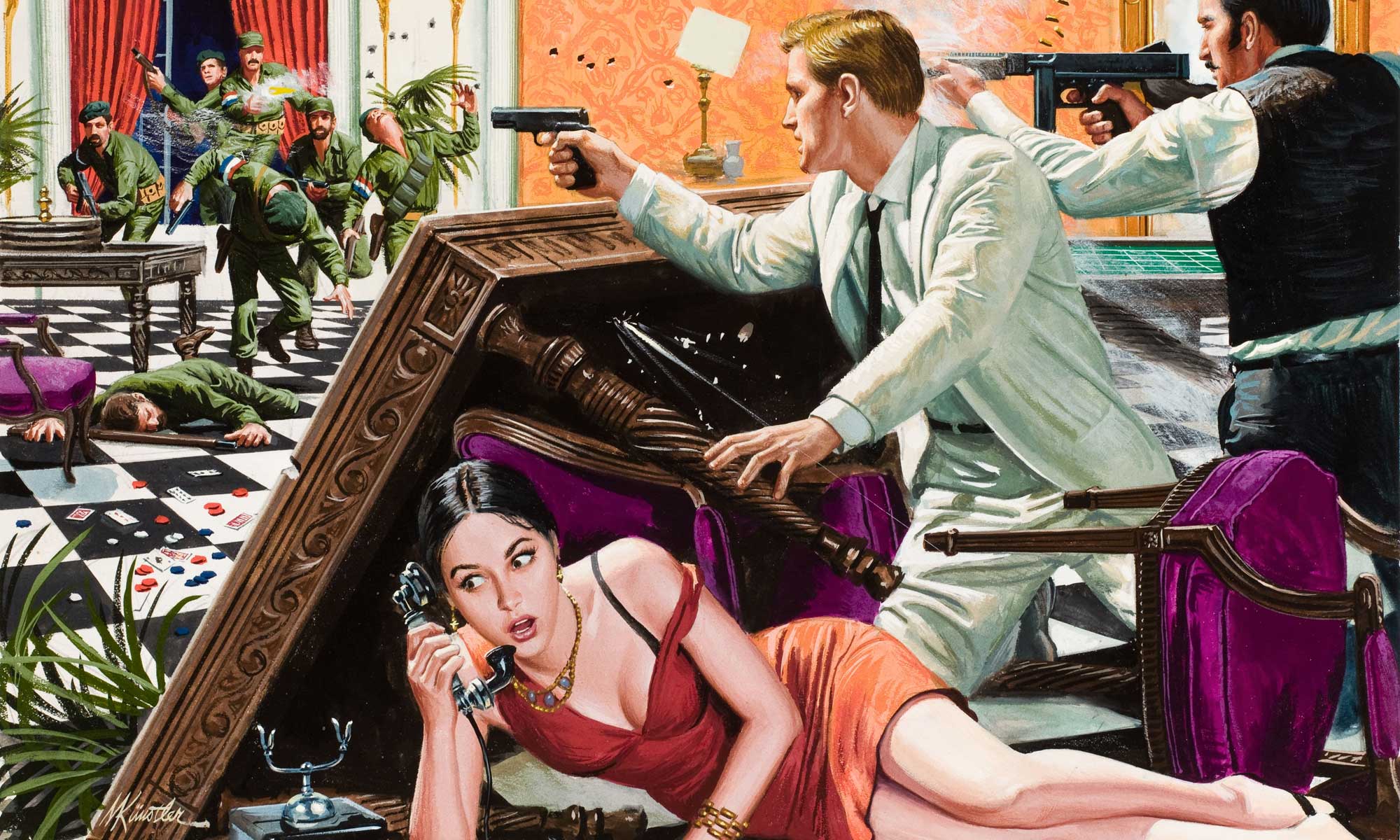
My apologies if this has been posted here before. In my senility, I can’t remember if I once saw this here or someone sent it to me. Either way, it’s always good for a laugh.
Black Books
We’ve been re-watching this series from around twenty years ago. Just as hilarious second time around. Very bastardly. More highlights here.
Word
Bassists Get The Job Done
This comically inept singer looks like a coked-up CPA trying to channel Screaming Lord Sutch. He rivals Mike Love in creepiness. If real, I’m guessing this was an open mic thing.
And all of you who ever played in a band can ‘fess up: you either struck or wanted to strike whoever did most of the singing with a guitar, bass, mic stand, cymbal stand, floor tom, etc. Or said, “go ahead and grab the mic” when you knew it wasn’t grounded.
And if you did most of the singing, you probably deserved it.
Demonstration Demo
Carole King’s demo is as good in its singer-songwriterly way as the Monkees’ hit version is in its Revolverly way.
I Somehow Missed This One
Andrew Hickey mentioned this movie in his “Good Vibrations” episode (there’s a theremin somewhere in the soundtrack). I could not locate it in the giant heap of cultural garbage that festers in my brain, so I looked up this trailer. Words fail me on this one.
What’s Wrong With Kids These Days?
They lack the cerebral entertainment we grew up with.
Jesus Is Coming
Better get a perm.